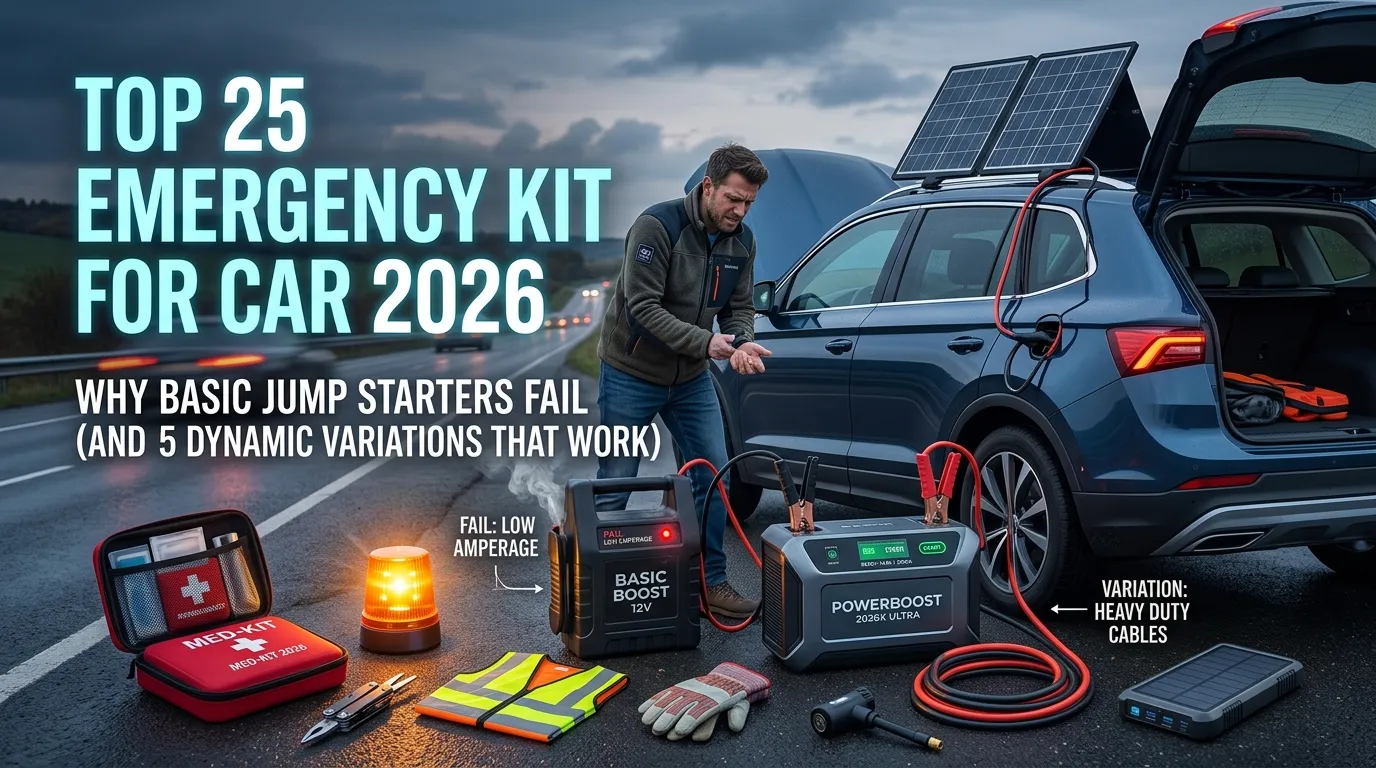
Consider: it is 11 PM on a frigid stretch of highway running through Ontario, or the sweltering July afternoon on I-10 in Arizona. The most obvious example your dashboard lights up with a red battery icon, or, even worse a tire goes out at 70-mph You reach for your phone. No signal. You open the trunk… inside you find a gym bag, a lug wrench, some old water. You are stranded.
This is the dilemma that many drivers will have in 2026: cars are soft, tech-based now but fragile when it comes to their mechanics. Without the right gear, a flat battery or blown fuse can leave you totally stranded. Even more alarming is that 68% of drivers indicate they do not have a specific emergency kit for their car (AAA Data, 2025). Don’t be a statistic.
My promise to you: at the end of this entire guide, you will know exactly what to pack, no matter if your budget is $30 or $300. You will understand the distinction between a simple “feel-good” set versus bona fide roadside savior arsenal. In this article, I walk you through the best emergency kits of 2026, how to construct a better do it yourself kit for half the cost, and what is the number one mistake that could leave your family freezing in the cold.
In This Complete Guide, You’ll Discover:
The 2026 updated checklist – What’s obsolete (CDs, paper maps) and what’s critical (portable jump packs, satellite messengers).
Top 5 pre-made kits tested for US, UK & Canada climates (from -30°C to +45°C).
DIY vs. Pre-built: Which saves you money and actually works in a real crisis.
Seasonal variations: How to convert your summer kit into a winter survival kit in 5 minutes.
Storage hacks – Keep your kit from becoming a rattling mess in your trunk.
The #1 legal mistake Canadians & Europeans make (carrying banned self-defense items).
Top 25 Emergency Kit for Car – Complete Serial Guide (2026)
1. Trauma Tourniquet (CAT Gen 7 or SOFTT-W)
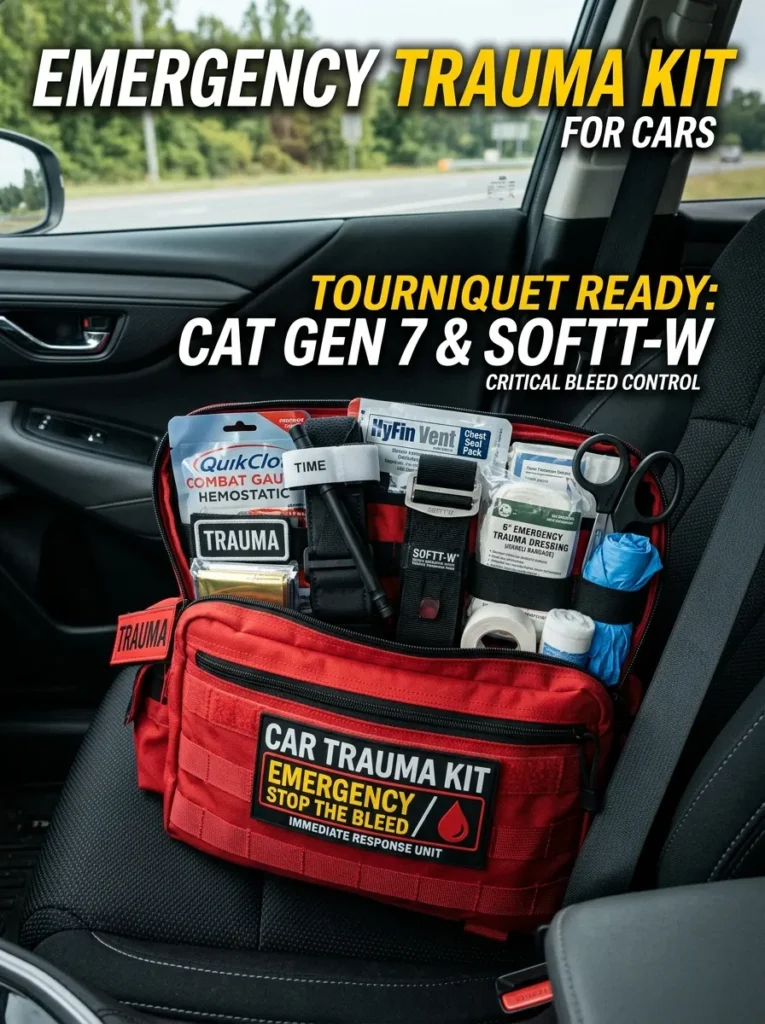
- What it is: A windlass-style device designed to occlude arterial blood flow in an extremity.
- Why It’s Important: Massive hemorrhage is the leading cause of preventable death in vehicle accidents. An arterial bleed can lead to total blood loss in under 3 minutes.
- Benefits: One-handed application; CoTCCC-approved; stops life-threatening bleeding until EMS arrives.
- Best For: All drivers; essential for highway travelers and those in remote areas.
- Popular Brands: North American Rescue (CAT Gen 7), Tactical Medical Solutions (SOFTT-W)
- Price (starts at approximately): $30
2. Hemostatic Gauze (QuikClot Combat Gauze)
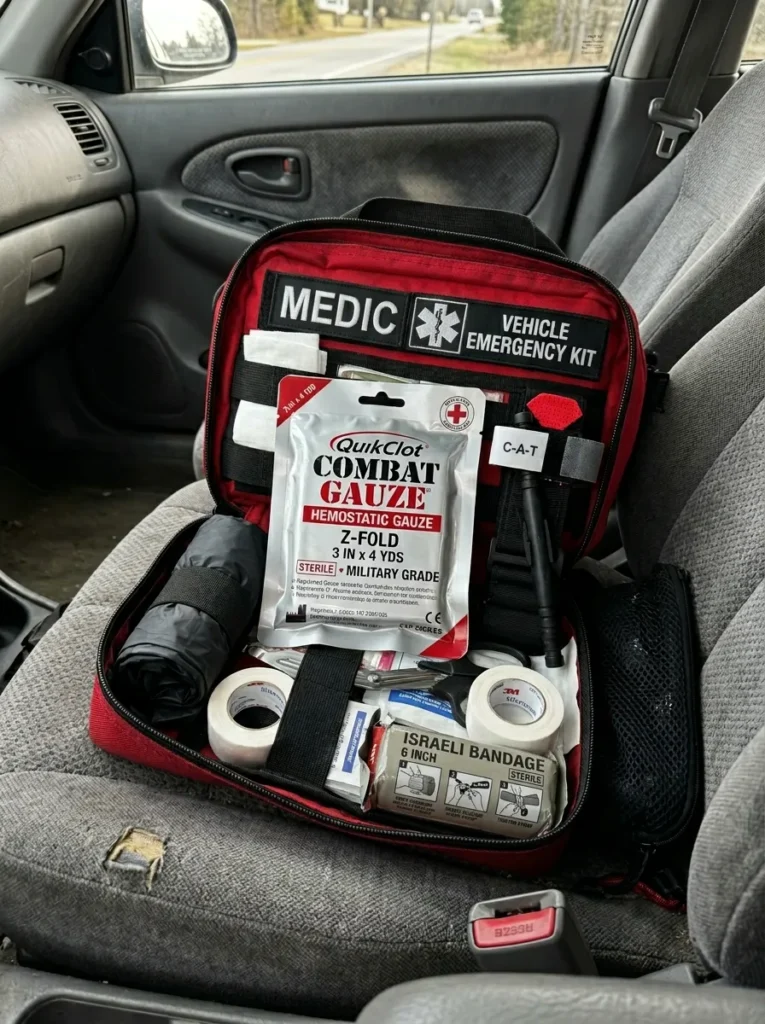
- What it is: Kaolin-impregnated gauze that accelerates the body’s natural clotting process.
- Why It’s Important: Controls massive bleeding in junctional areas (groin, armpit, neck) where a tourniquet cannot be applied.
- Benefits: Stops Grade III bleeds in approximately 3 minutes with direct pressure.
- Best For: Drivers in high-speed or remote travel situations.
- Popular Brands: QuikClot, Celox
- Price (starts at approximately): $40
3. Vented Chest Seal (Twin Pack)
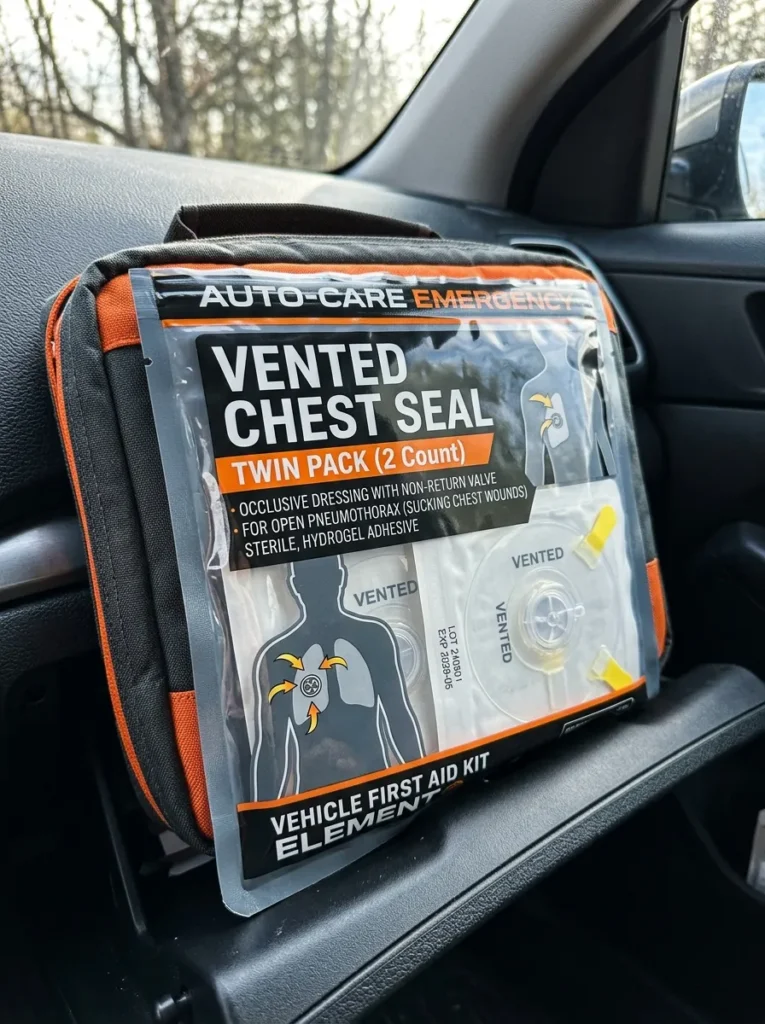
- What it is: An occlusive dressing with a one-way valve that allows air to escape the chest cavity while preventing re-entry.
- Why It’s Important: Treats tension pneumothorax (collapsed lung) from blunt force chest trauma—a common injury in high-speed collisions.
- Benefits: Prevents fatal lung collapse; works in both penetrating and blunt trauma.
- Best For: Anyone driving at highway speeds or in areas with delayed EMS response.
- Popular Brands: HyFin, HALO, FoxSeal
- Price (starts at approximately): $25 (twin pack)
4. Israeli Bandage (Emergency Bandage)
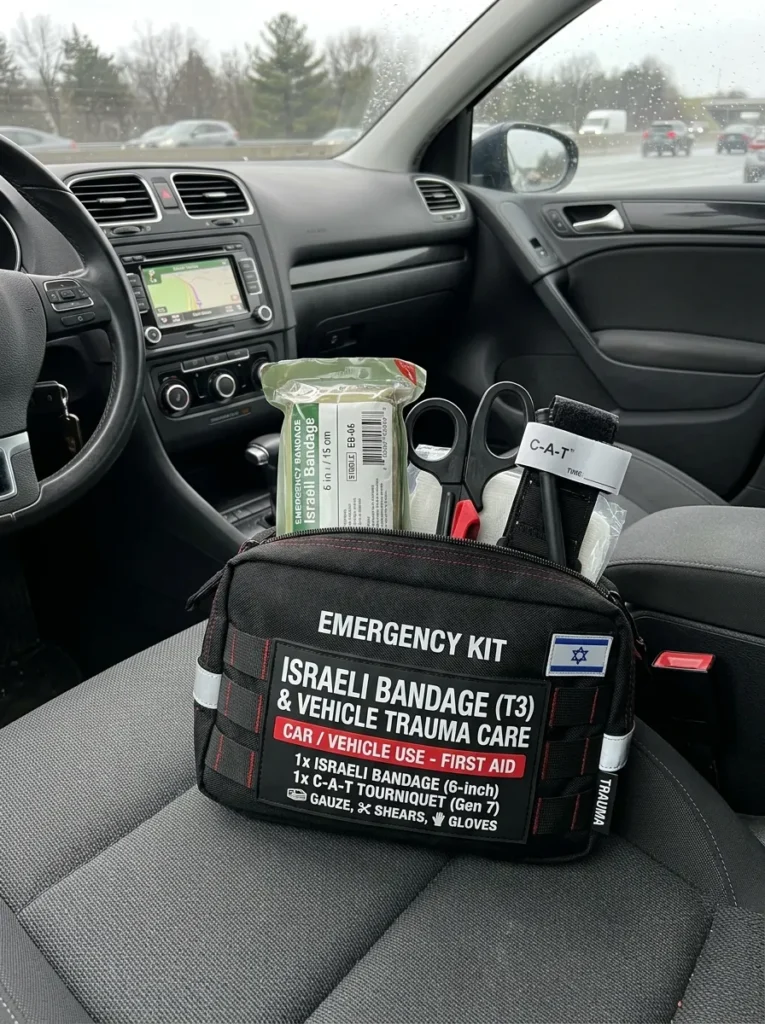
- What it is: A 6-inch modular pressure dressing with an integrated pressure bar and closure clips.
- Why It’s Important: Applies up to 30 pounds of direct pressure to wound sites—far more than standard gauze and tape.
- Benefits: Self-contained; works as primary dressing, pressure applicator, and secondary wrap.
- Best For: All vehicles; essential supplement to any first aid kit.
- Popular Brands: PerSys Medical, North American Rescue
- Price (starts at approximately): $8
5. All-Purpose First Aid Kit (200+ Pieces)
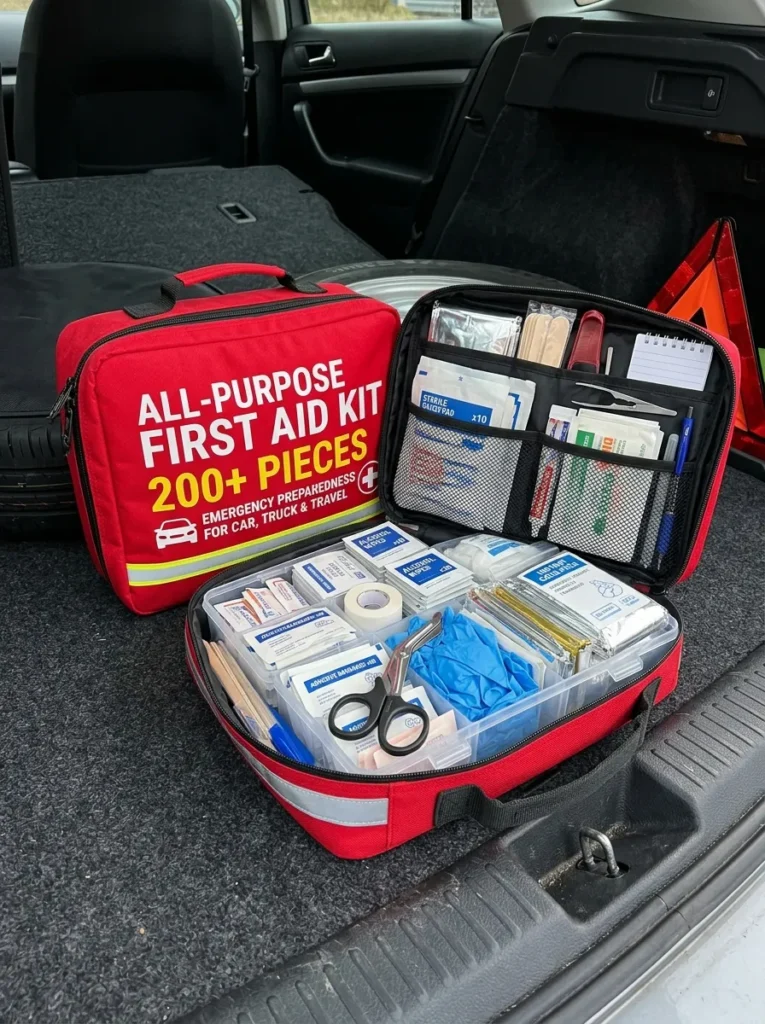
- What it is: A comprehensive kit containing bandages, gauze, antiseptics, medications, and tools for minor to moderate injuries.
- Why It’s Important: Covers common roadside injuries—cuts, scrapes, burns, headaches, allergic reactions.
- Benefits: Organized case; includes over-the-counter medications (ibuprofen, aspirin, antihistamines); compact enough for glovebox or under-seat storage.
- Best For: Families; daily commuters; anyone who wants complete coverage for minor incidents.
- Popular Brands: First Aid Only, Surviveware, Redi (The Roadie)
- Price (starts at approximately): $25
6. Trauma Shears (7.25-inch)
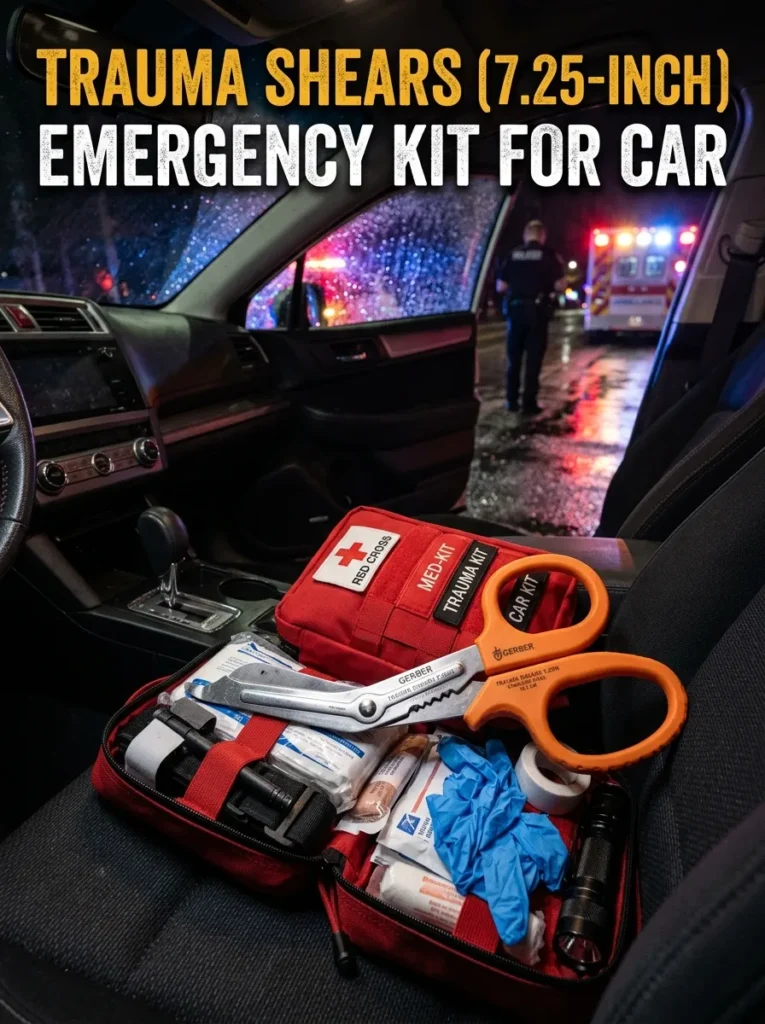
- What it is: Heavy-duty medical scissors with a blunt tip designed to cut through seatbelts, denim, and multiple clothing layers.
- Why It’s Important: You cannot treat injuries without exposing them. Standard scissors fail under stress.
- Benefits: Cuts through thick materials instantly; blunt tip prevents secondary injury.
- Best For: Every vehicle; keep within reach of driver’s seat.
- Popular Brands: Leatherman Raptor, XShear, Madison Supply
- Price (starts at approximately): $10
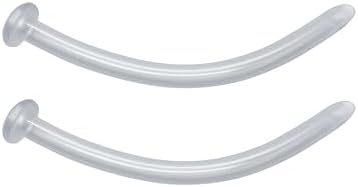
7. Nasopharyngeal Airway (NPA) Kit
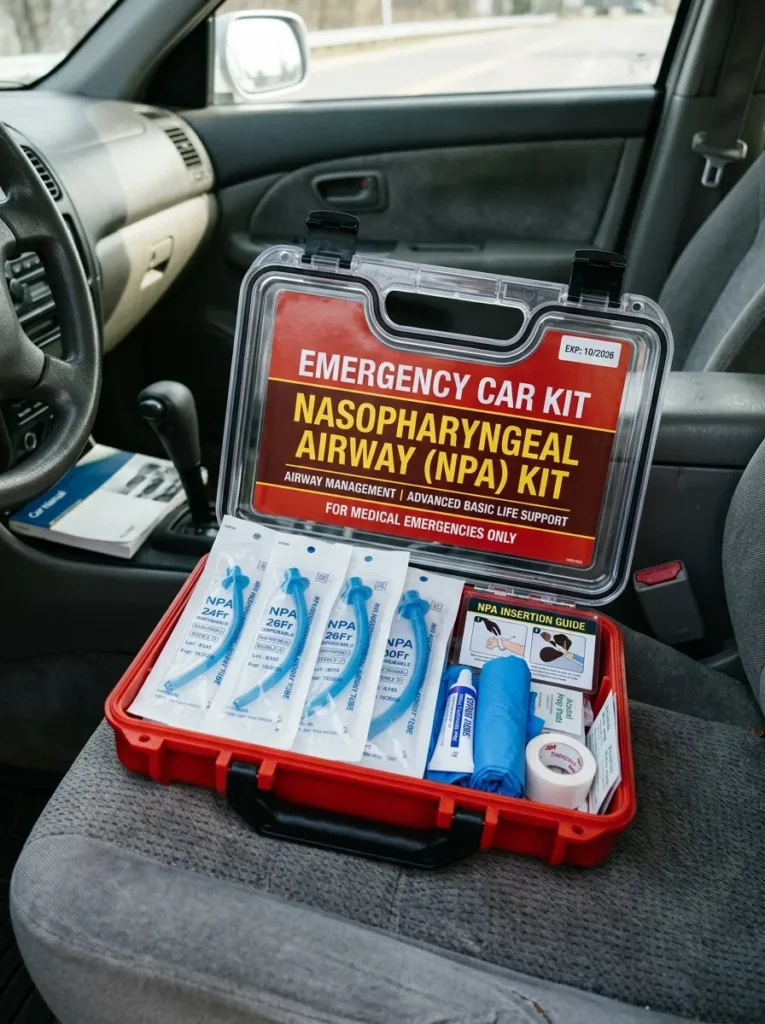
- What it is: A flexible tube inserted through the nose to maintain an open airway in an unconscious patient.
- Why It’s Important: Prevents airway obstruction from tongue or soft tissue after loss of consciousness.
- Benefits: Bypasses oral obstructions; quick and effective with proper training.
- Best For: Trained first responders; EMTs; those with advanced first aid certification.
- Popular Brands: Various medical suppliers
- Warning: Requires proper training—do not use without certification.
- Price (starts at approximately): $15
8. Portable Jump Starter (Lithium-ion)
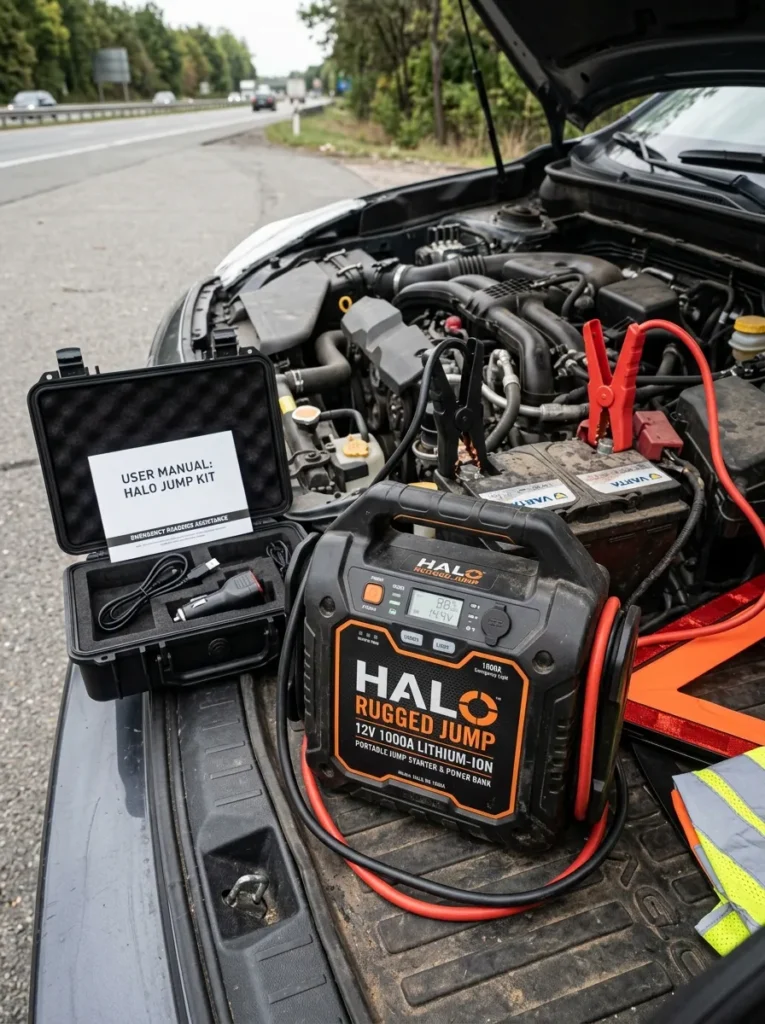
- What it is: A compact, rechargeable battery pack capable of jump-starting a dead vehicle battery without a second car.
- Why It’s Important: Dead batteries are the #1 roadside call. Lithium jump starters work instantly and double as power banks.
- Benefits: Starts engines 20+ times per charge; includes USB ports for phones/laptops; spark-proof technology.
- Best For: All drivers; essential for EVs (which still have 12V batteries) and cold climates.
- Popular Brands: NOCO (Boost Plus GB40), Gooloo, VTOMAN
- Price (starts at approximately): $70
9. Portable Tire Inflator (12V or Cordless)
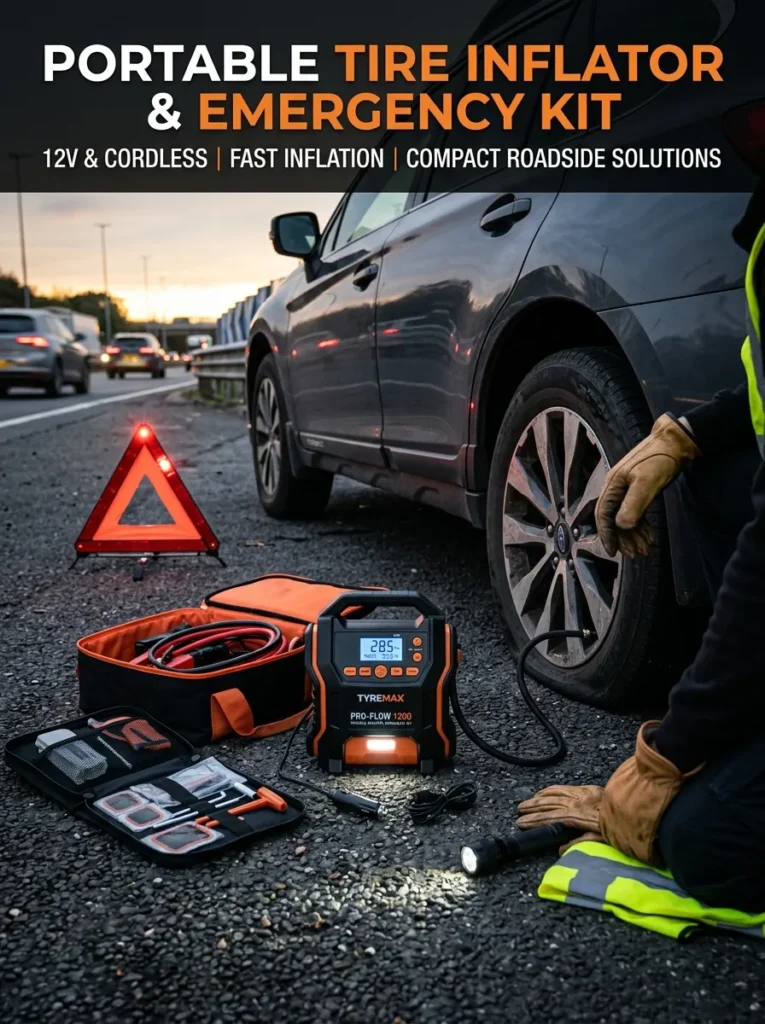
- What it is: A compact air compressor that plugs into your car’s 12V outlet or runs on a rechargeable battery.
- Why It’s Important: Slow leaks and temperature drops cause low tire pressure—a leading cause of blowouts.
- Benefits: Inflates a standard tire in seconds; digital pressure readout; auto shut-off.
- Best For: Long road trips; drivers without a spare tire; EVs.
- Popular Brands: Viair, Slime, VTOMAN (combo units)
- Price (starts at approximately): $40
10. Heavy-Duty Jumper Cables (4 or 6 Gauge)
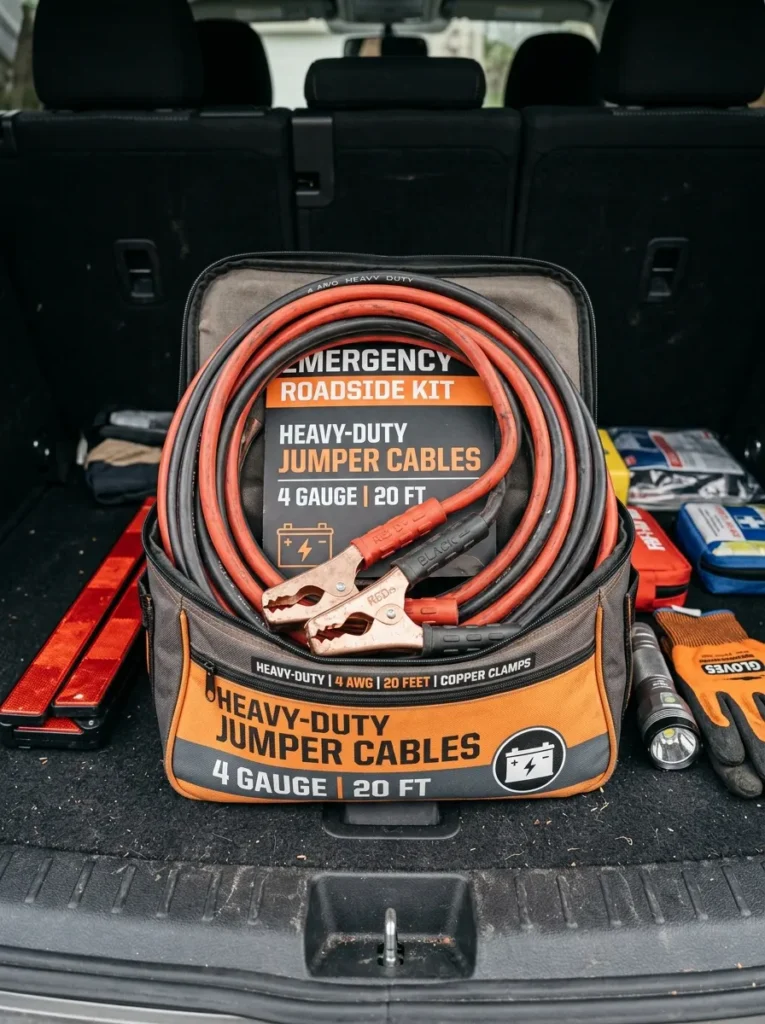
- What it is: Insulated copper cables with clamps for transferring power from a donor vehicle’s battery to a dead one.
- Why It’s Important: A mechanical backup when your jump starter fails or is discharged.
- Benefits: No batteries to maintain; works in extreme cold; 20-foot length reaches across most parking spaces.
- Best For: Budget-conscious drivers; extreme cold climates (where batteries drain fastest).
- Popular Brands: Energizer, Cartman, EPAuto
- Warning: Do NOT buy 10-gauge or smaller—insufficient power transfer.
- Price (starts at approximately): $25
11. Tow Strap (2-inch x 20-foot, Loop Ends)
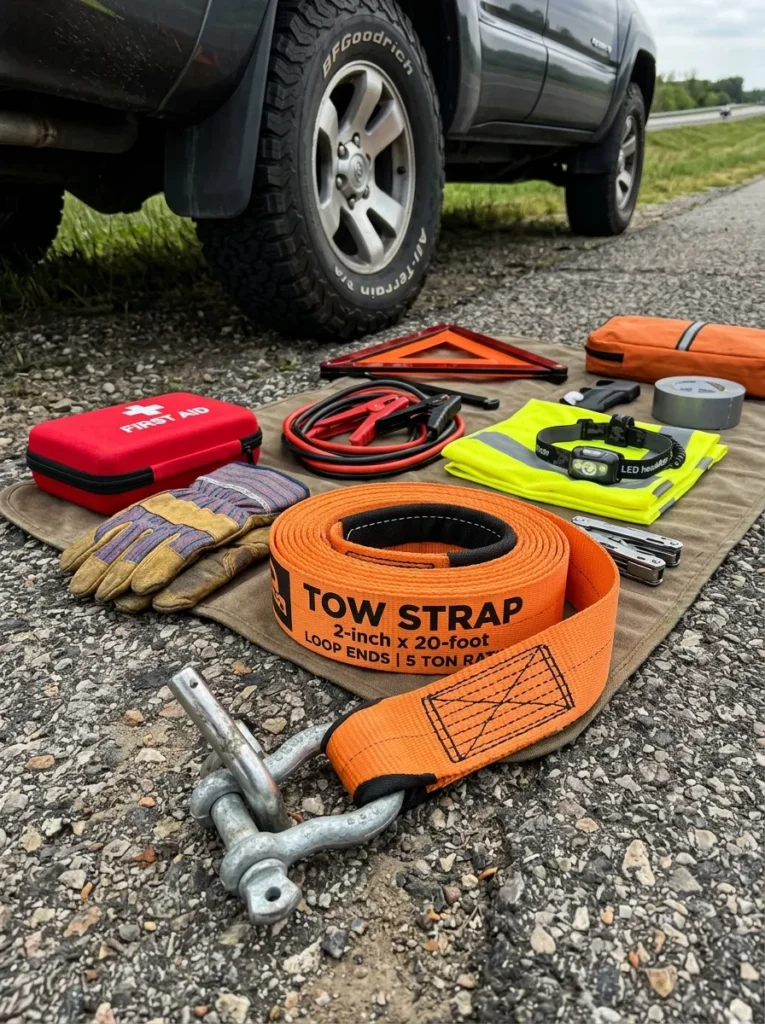
- What it is: A heavy-duty nylon strap rated for vehicle recovery—no metal hooks (which become projectiles if they break).
- Why It’s Important: Frees you from snow, mud, or ditches without a tow truck.
- Benefits: Rated for 10,000–30,000 lbs; elastic design reduces shock loading; includes storage bag.
- Best For: SUV/truck owners; rural drivers; winter conditions.
- Popular Brands: Rhino USA, ARB, Smittybilt
- Price (starts at approximately): $30
12. Tire Plug Kit (Tubeless Repair)
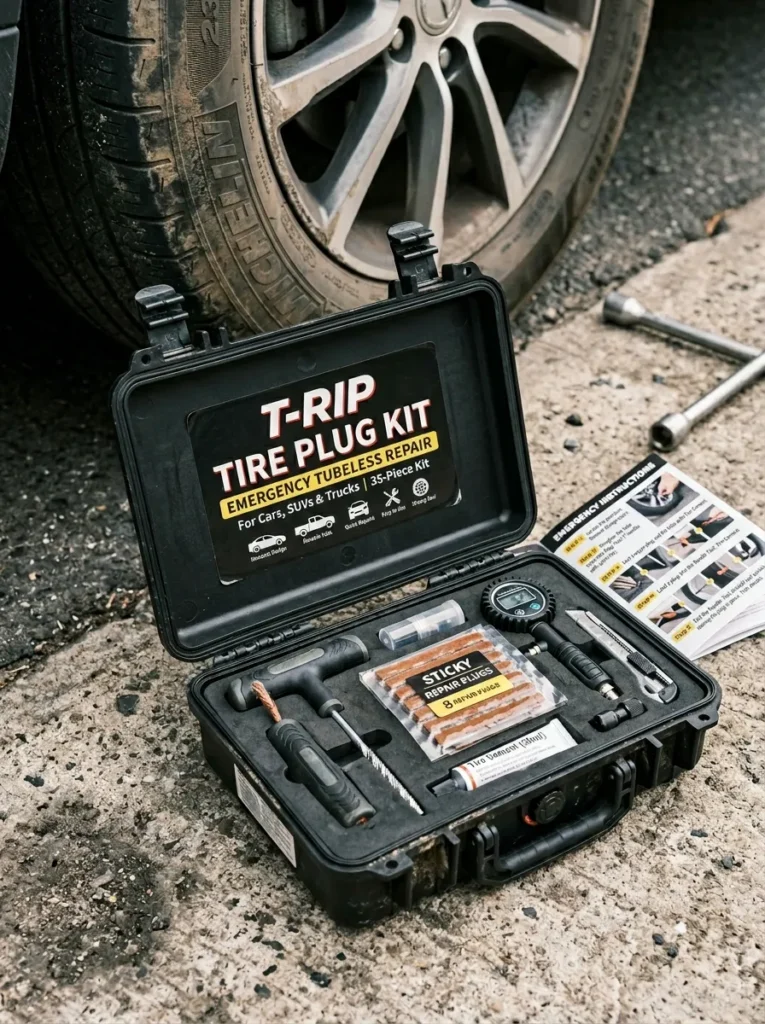
- What it is: A set of tools and sticky rubber plugs for repairing punctures in the tread area (not sidewall).
- Why It’s Important: A portable inflator is useless if air is escaping through a hole. Plugs create a permanent mechanical bond.
- Benefits: Works in all temperatures (unlike sealant cans); no mess; 20-minute repair.
- Best For: Remote travelers; off-roaders; anyone driving where tow trucks are scarce.
- Popular Brands: Slime, Safety Seal, Boulder Tools
- Price (starts at approximately): $12
13. Wheel Wrench & Cross Wrench
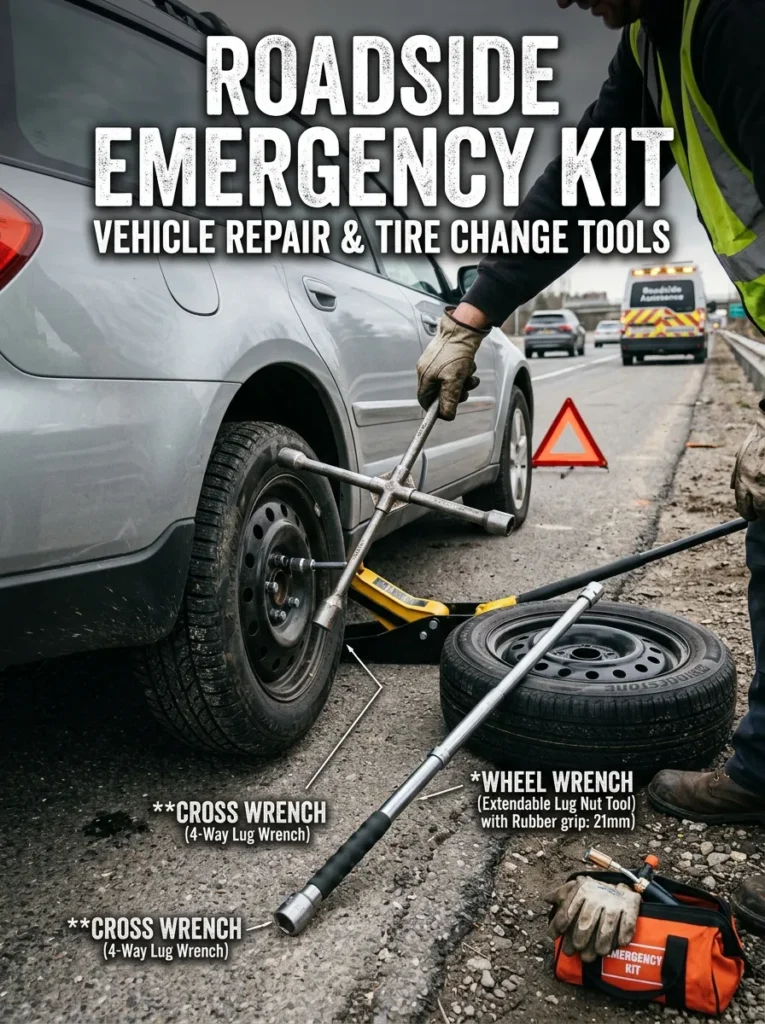
- What it is: A 4-way lug wrench with multiple socket sizes (17, 19, 21, 23 mm) for removing wheel nuts.
- Why It’s Important: Factory jacks often come with flimsy wrenches that bend under torque.
- Benefits: Cross shape allows two-handed operation for increased torque; fits most passenger vehicles.
- Best For: Anyone changing a flat tire—which is everyone.
- Popular Brands: Cartrend, EPAuto, Performance Tool
- Price (starts at approximately): $10
14. LED Road Flares (Electronic)
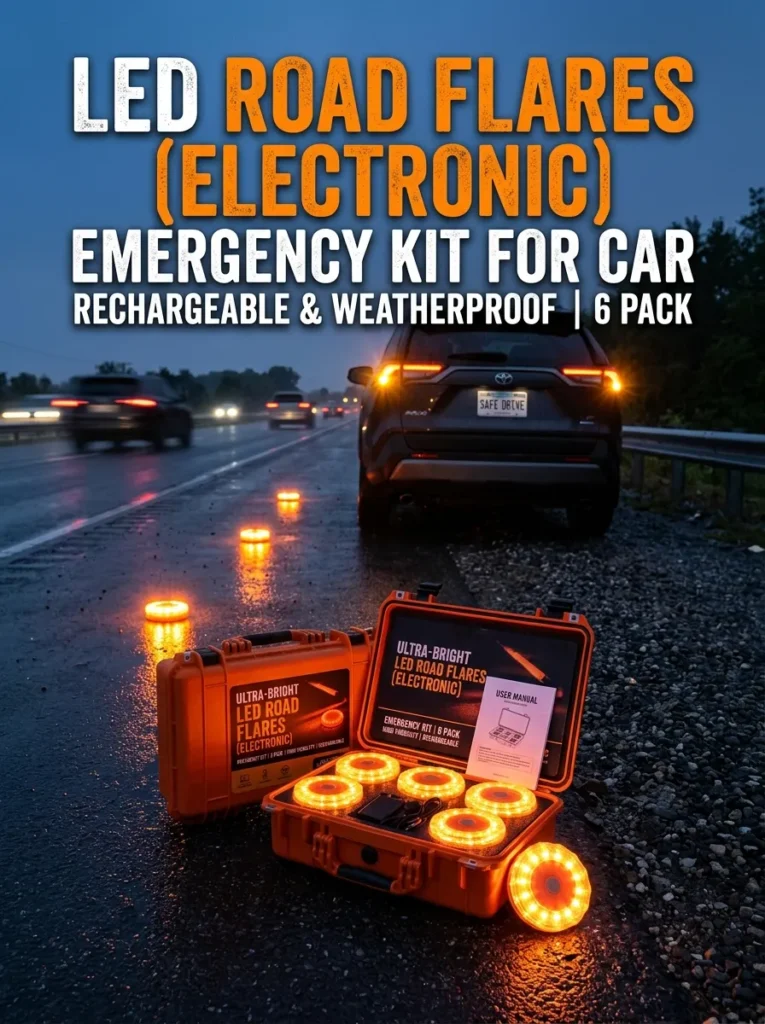
- What it is: Battery-powered, waterproof beacons that flash or glow steadily—no flame, no explosion risk.
- Why It’s Important: Chemical flares are fire hazards near fuel leaks and burn out in under 30 minutes. LED flares last 100+ hours.
- Benefits: 360-degree visibility for up to 1 mile; magnetic base for vehicle mounting; cool to touch.
- Best For: All drivers—especially those with children or pets (no fire risk).
- Popular Brands: Lumitol, Aujen, SlSunny
- Price (starts at approximately): $25 (3-pack)
15. Warning Triangle & Safety Vest Set
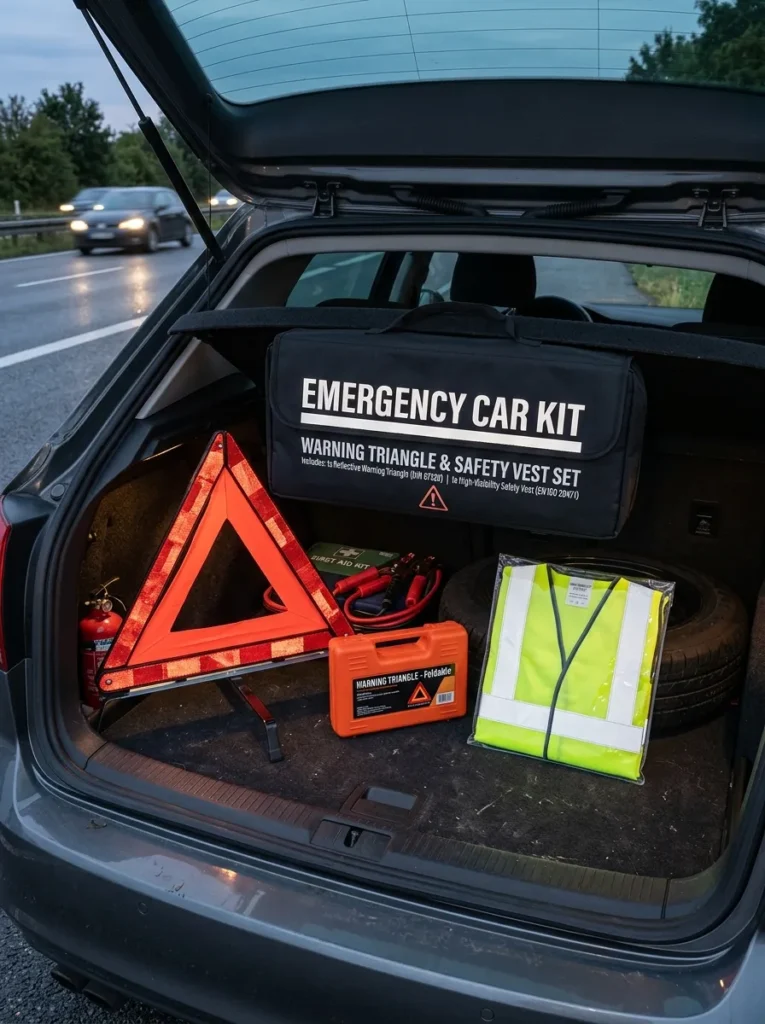
- What it is: A foldable reflective triangle (or two) and an ANSI Class 2 high-visibility vest to alert oncoming traffic.
- Why It’s Important: Secondary strikes (other cars hitting you or your vehicle) are a leading cause of roadside fatalities.
- Benefits: Improves visibility from 500+ feet; required by law in many European countries and for commercial drivers.
- Best For: All drivers; mandatory for towing or commercial use.
- Popular Brands: Cartrend, HP Autozubehör, Everlit
- Price (starts at approximately): $15 (set)
16. Emergency Hammer & Seatbelt Cutter (Rescue Tool)
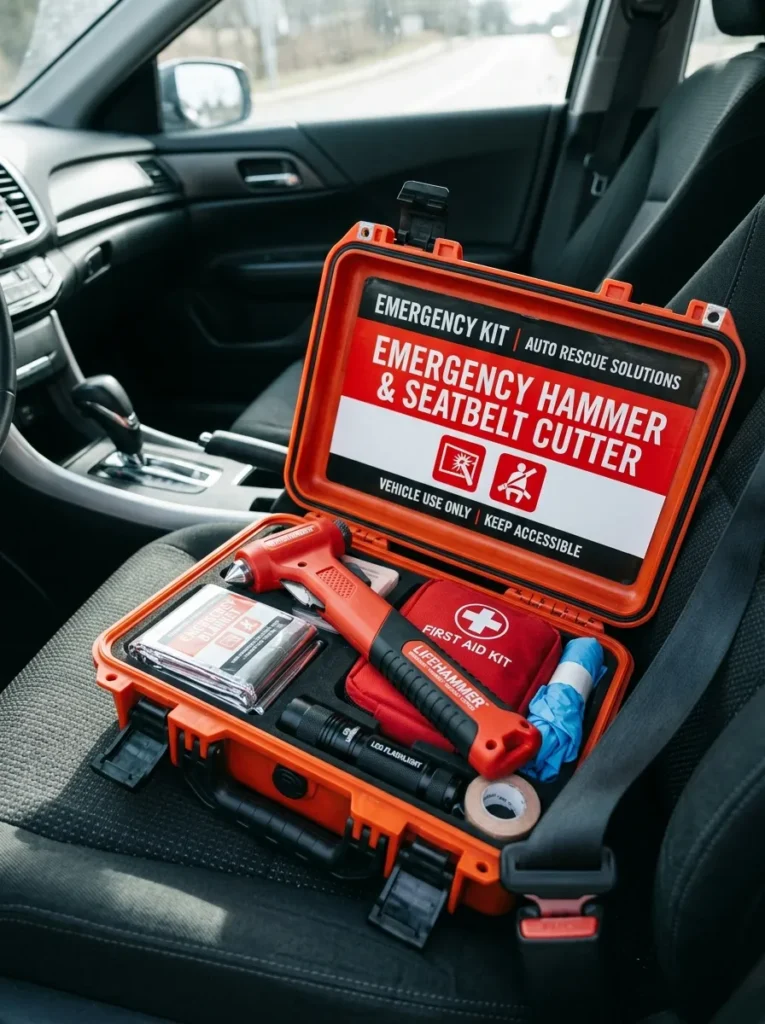
- What it is: A 2-in-1 tool featuring a spring-loaded or hardened metal tip to shatter side windows and a concealed blade to cut jammed seatbelts.
- Why It’s Important: After a rollover, flood, or fire, doors may not open, and seatbelt mechanisms can lock. Seconds count.
- Benefits: Mounts within reach of driver’s seat; compact; literally life-saving in submersion or fire scenarios.
- Best For: Every single vehicle. Keep on the driver’s side visor or center console.
- Popular Brands: Resqme, Baseus, HP Autozubehör
- Price (starts at approximately): $10
17. Signal Whistle
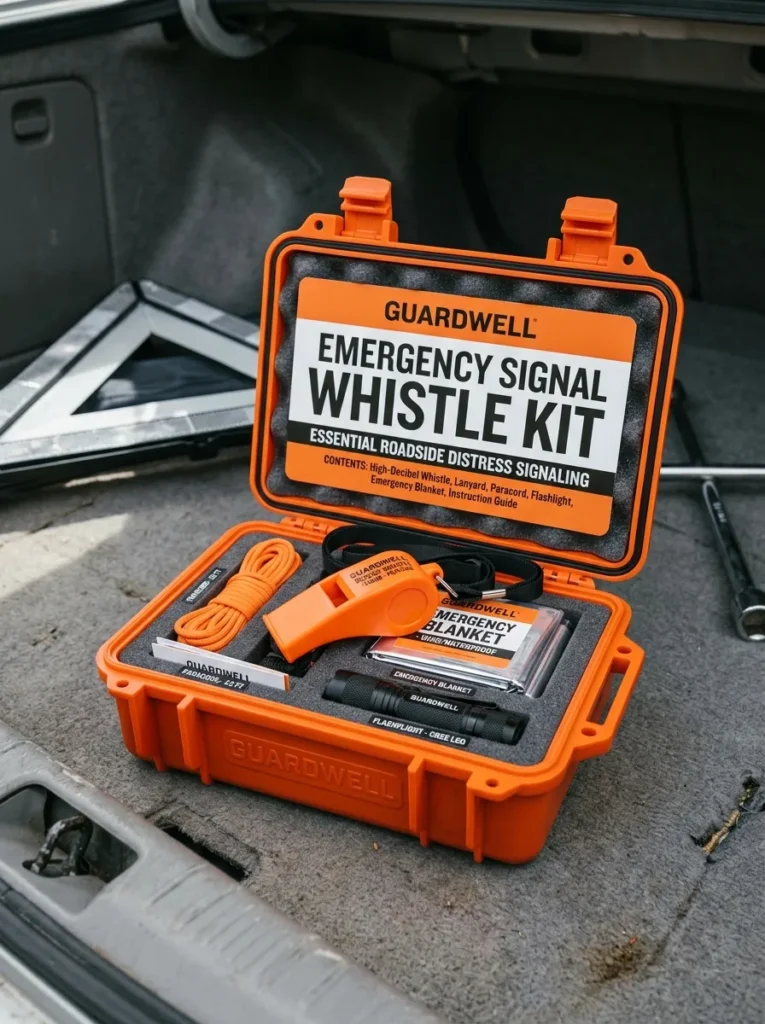
- What it is: A high-decibel, non-electronic whistle that carries sound over long distances while conserving energy.
- Why It’s Important: A stranded person shouting for help loses voice in 20 minutes. A whistle lasts indefinitely.
- Benefits: 120+ decibels; no batteries; waterproof; universal distress signal (three blasts).
- Best For: Remote travel; winter conditions (search crews listen for whistles).
- Popular Brands: ACME, Fox 40, Survival Frog
- Price (starts at approximately): $5
18. Mylar Emergency Blanket (Space Blanket)
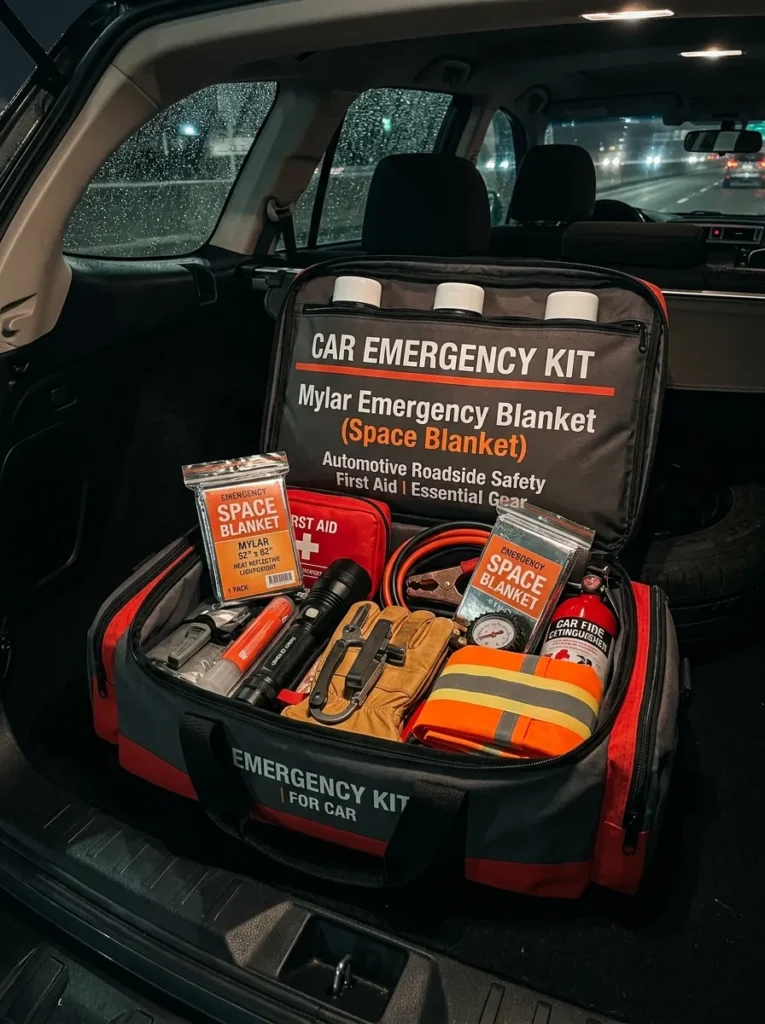
- What it is: A lightweight, reflective sheet that traps up to 90% of body heat—packs to the size of a deck of cards.
- Why It’s Important: Hypothermia is a silent killer following trauma or exposure. Even in mild weather, shock impairs temperature regulation.
- Benefits: Retains core body heat; also works as ground cover, shelter, or signal reflector.
- Best For: Every emergency kit—buy a 4-pack for $5.
- Popular Brands: Survive Outdoors Longer, Ready America
- Price (starts at approximately): $1
19. Wool Blanket (Heavy-Duty)
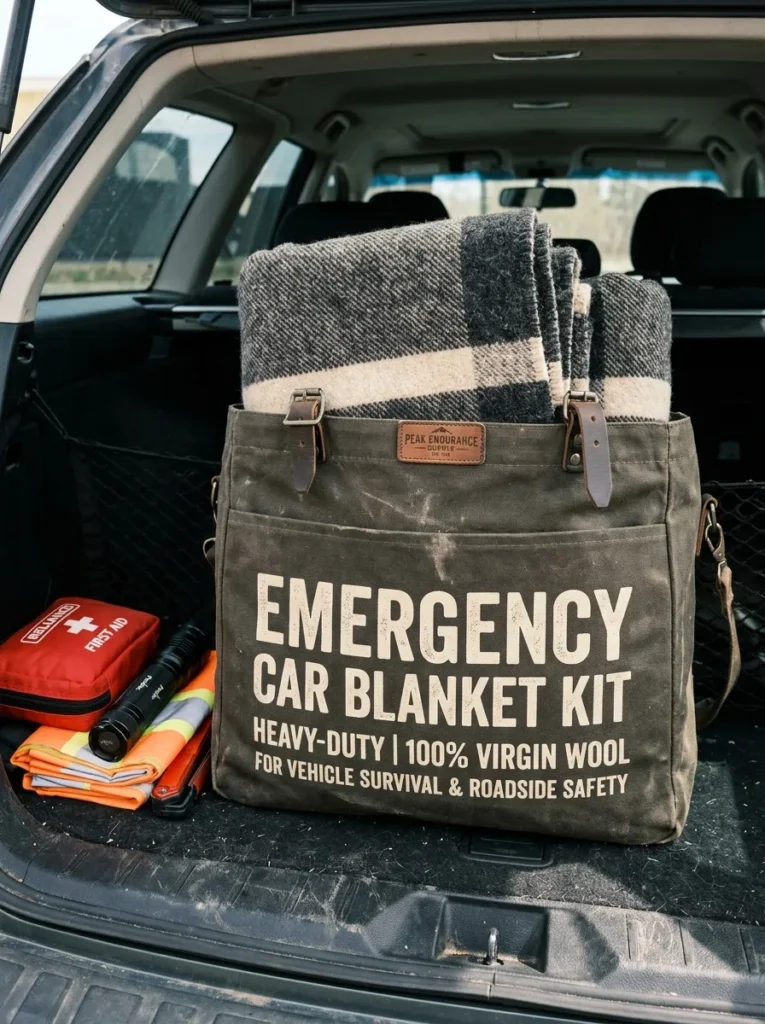
- What it is: A full-size, thick wool or wool-blend blanket for sustained warmth in extreme cold.
- Why It’s Important: Mylar alone will not keep you alive in -20°C / -4°F conditions. Wool insulates even when wet.
- Benefits: Breathable; flame-resistant; reusable; comfortable for overnight waits.
- Best For: Northern US, Canada, UK winters; mountain driving.
- Popular Brands: Arcturus, Pendleton (military surplus acceptable)
- Price (starts at approximately): $30
20. Hand Warmers (Reusable or Chemical)
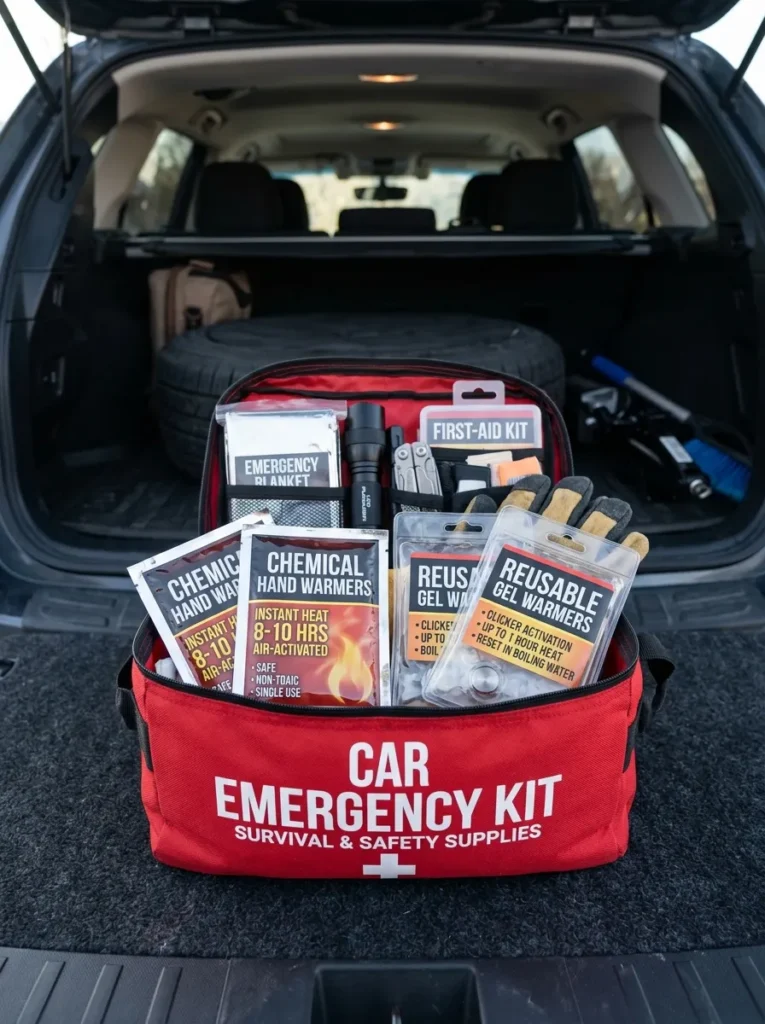
- What it is: Small packets that produce heat for 8–18 hours—either via iron oxidation (single-use) or crystallization (reusable).
- Why It’s Important: Frozen fingers cannot grip tools, use a phone, or apply first aid.
- Benefits: Low cost; long duration; fits in pockets and gloves.
- Best For: Cold climates; long winter trips.
- Popular Brands: HotHands, Zippo (reusable)
- Price (starts at approximately): $1 each (single-use)
21. Emergency Food & Water Pouches
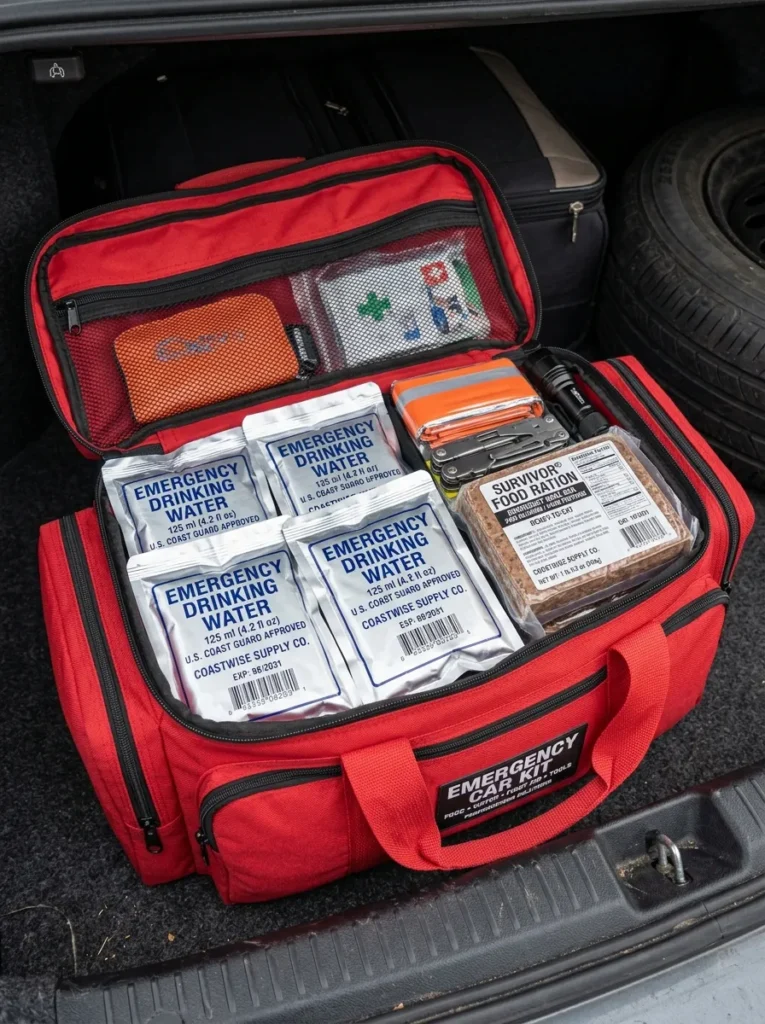
- What it is: Calorie-dense emergency rations (e.g., SOS bars) and shelf-stable water pouches (not bottles—pouches handle freeze-thaw cycles better).
- Why It’s Important: You may be stranded for 24+ hours. Dehydration impairs judgment; starvation saps energy.
- Benefits: 5-year shelf life; compact; 3600 calories per bar; water pouches fit anywhere.
- Best For: Remote travel; winter storms; family road trips.
- Popular Brands: SOS Rations (Mayday), Datrex, Everlit
- Price (starts at approximately): $10 (3-day supply)
22. Headlamp (1000+ Lumens, IP67 Waterproof)
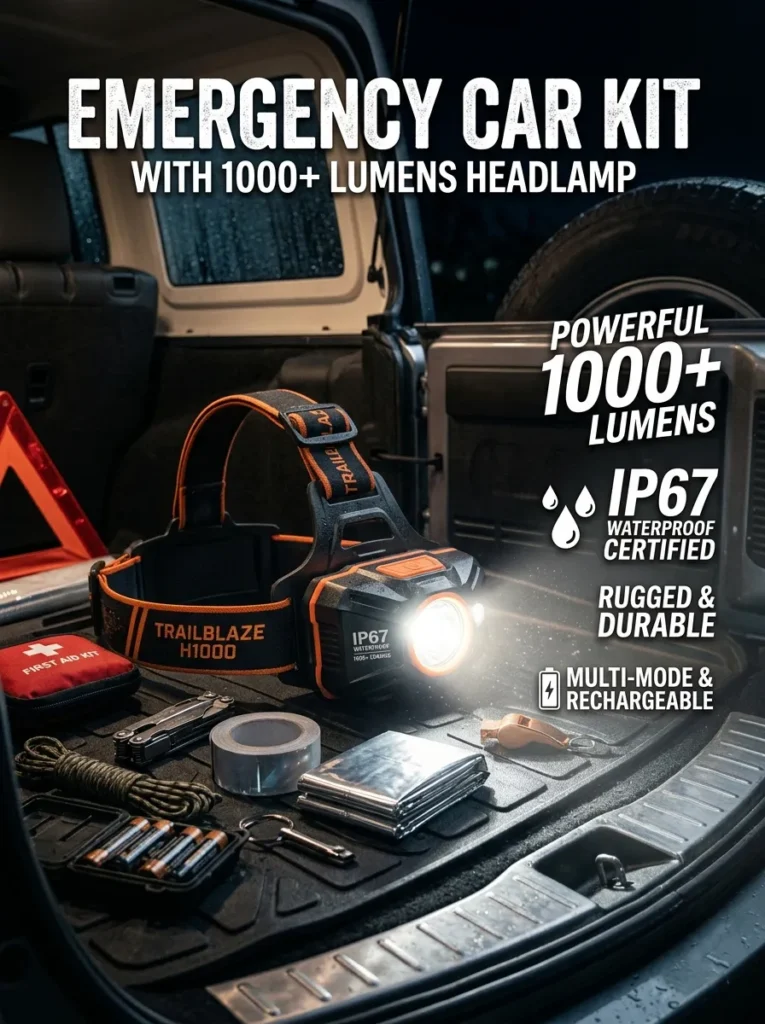
- What it is: A hands-free, battery-powered or USB-rechargeable light worn on a head strap.
- Why It’s Important: You cannot change a tire, apply a tourniquet, or dig out of snow holding a flashlight.
- Benefits: Keeps both hands free; high lumen output for roadside visibility; red light mode to preserve night vision.
- Best For: Every driver—single most useful lighting tool.
- Popular Brands: Black Diamond, Petzl, Olight
- Price (starts at approximately): $20
23. Multi-Tool (Stainless Steel)
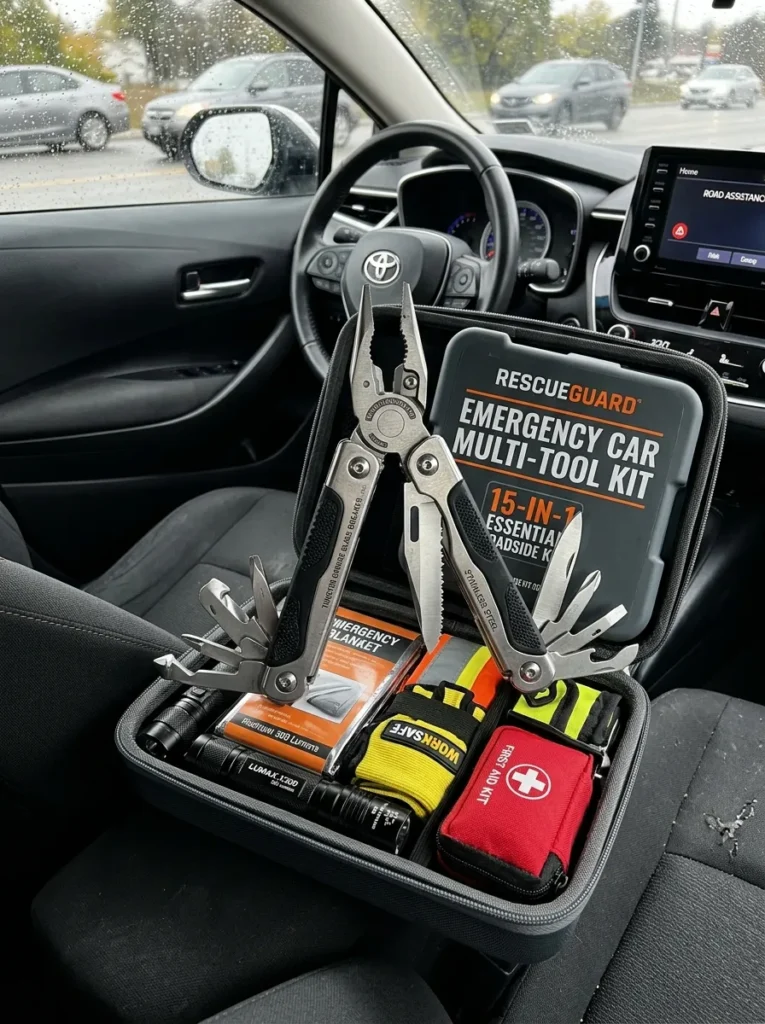
- What it is: A folding tool combining pliers, wire cutters, knife blade, screwdrivers, and bottle opener.
- Why It’s Important: Minor repairs—tightening hose clamps, cutting zip ties, stripping wires—require tools, not fingers.
- Benefits: Replaces 5+ individual tools; fits in glovebox; stainless steel resists corrosion.
- Best For: All drivers who want compact capability.
- Popular Brands: Leatherman, Gerber, Victorinox (Swiss Army)
- Price (starts at approximately): $30
24. Folding Shovel (Carbon Steel)
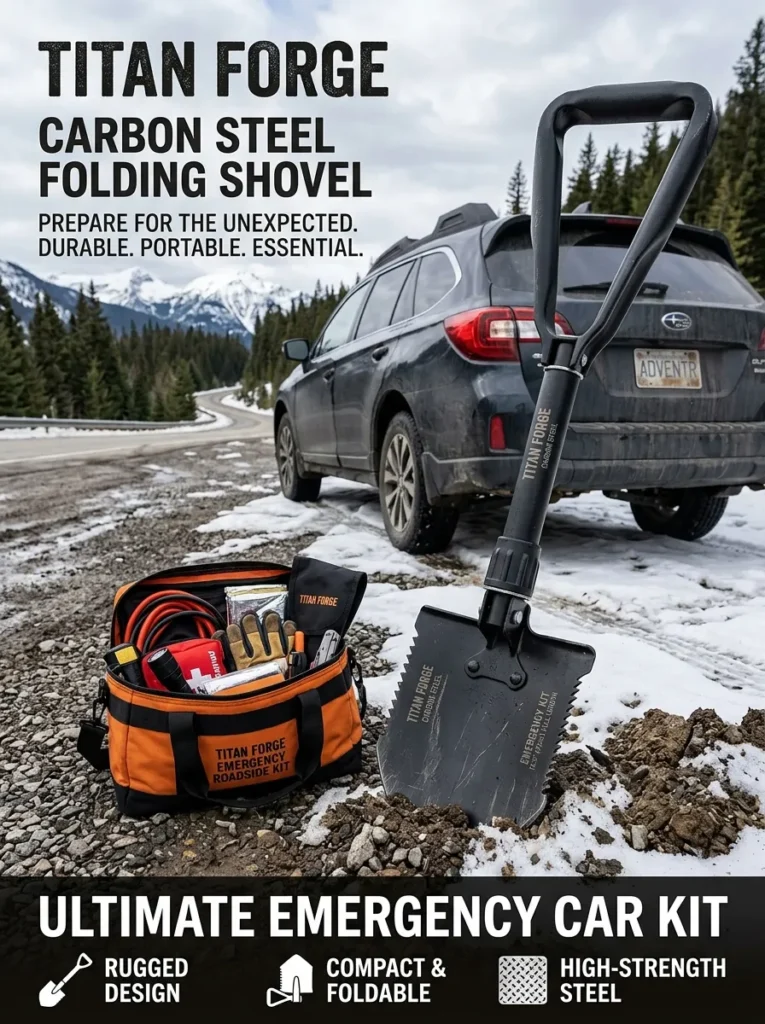
- What it is: A compact, collapsible shovel with a serrated edge for digging out of snow, mud, or sand.
- Why It’s Important: Traction aids (cat litter, sand) only work if applied to wheels—a shovel moves material efficiently.
- Benefits: Packs to 12 inches; includes saw blade edge for branches; lightweight but strong.
- Best For: Winter drivers; off-roaders; rural roads.
- Popular Brands: Smittybilt, Overmont, Rhodes
- Price (starts at approximately): $25
25. Complete Pre-Assembled Emergency Kit (e.g., Uncharted Overlander or AAA Destination Kit)
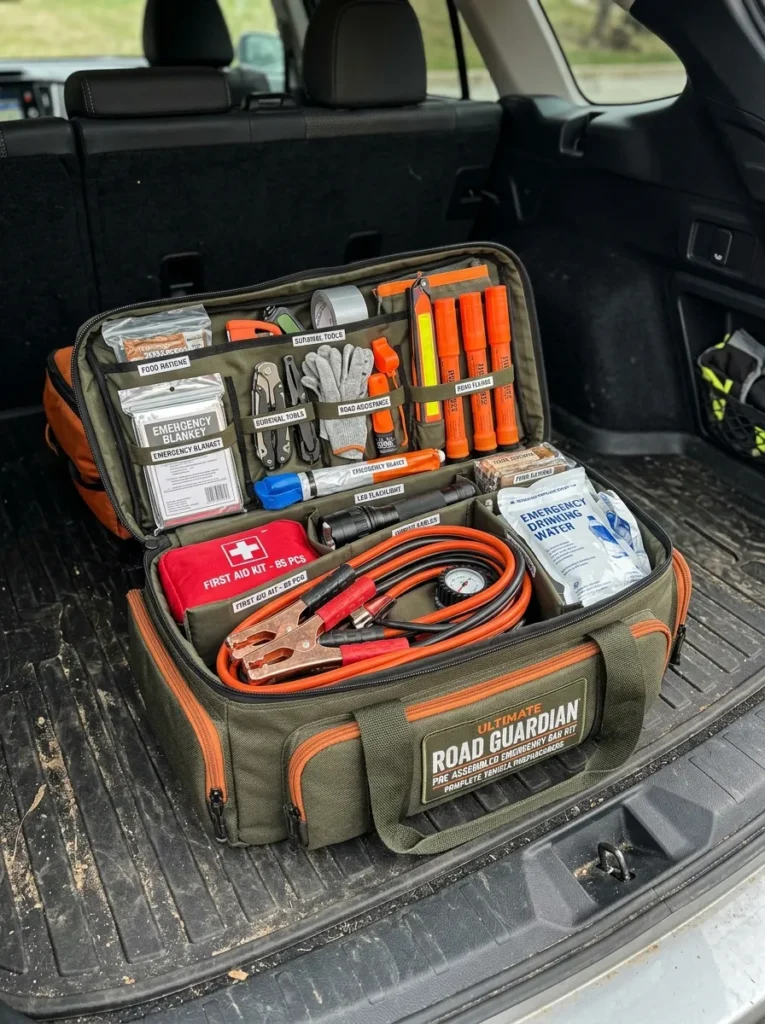
- What it is: A curated, all-in-one kit combining medical, recovery, survival, and tools in a durable case or bag.
- Why It’s Important: Convenience and confidence. Everything you need in one organized, grab-and-go package.
- Benefits: Professionally vetted components; rugged case (Yeti in some cases); eliminates decision fatigue.
- Best For: Families; gift-givers; anyone willing to pay for premium organization.
- Popular Brands: Uncharted Supply Co. (The Overlander), Lifeline (AAA Destination Kit), Haiphaik, Everlit
- Price (starts at approximately): $70 (basic) to $350 (premium)
Summary Table: Quick Reference
| # | Item | Price Start | Best For |
|---|---|---|---|
| 1 | Tourniquet | $30 | Stopping arterial bleeding |
| 2 | Hemostatic Gauze | $40 | Junctional wounds |
| 3 | Vented Chest Seal | $25 | Collapsed lung from blunt trauma |
| 4 | Israeli Bandage | $8 | Pressure dressing |
| 5 | All-Purpose First Aid Kit | $25 | Minor injuries & medications |
| 6 | Trauma Shears | $10 | Cutting seatbelts/clothing |
| 7 | NPA Kit | $15 | Airway management (trained users) |
| 8 | Portable Jump Starter | $70 | Dead battery (no second car) |
| 9 | Portable Tire Inflator | $40 | Low/flat tires |
| 10 | Jumper Cables | $25 | Budget battery backup |
| 11 | Tow Strap | $30 | Recovery from snow/mud/ditches |
| 12 | Tire Plug Kit | $12 | Puncture repair |
| 13 | Wheel Wrench | $10 | Removing lug nuts |
| 14 | LED Road Flares | $25 | Safe, long-lasting signaling |
| 15 | Warning Triangle & Vest | $15 | Visibility from 500+ feet |
| 16 | Hammer & Seatbelt Cutter | $10 | Escape from fire/flood |
| 17 | Signal Whistle | $5 | Long-distance signaling |
| 18 | Mylar Blanket | $1 | Hypothermia prevention |
| 19 | Wool Blanket | $30 | Extreme cold survival |
| 20 | Hand Warmers | $1 | Preventing frostbite |
| 21 | Food & Water Pouches | $10 | Sustenance during long waits |
| 22 | Headlamp | $20 | Hands-free illumination |
| 23 | Multi-Tool | $30 | Compact repairs |
| 24 | Folding Shovel | $25 | Digging out of snow/mud |
| 25 | Complete Pre-Assembled Kit | $70 | All-in-one convenience |

FAQ
1. What are the absolute must-have items for a car emergency kit?
Experts generally agree on a core set of essentials:
- Jumper cables or a portable jump starter.
- Flashlight with extra batteries (or a hand-crank version).
- First aid kit containing bandages, antiseptic, and gauze.
- Water and non-perishable food (like energy bars).
- Reflective triangles or flares to ensure you are visible to other drivers.
2. Is it better to buy a pre-made kit or build my own?
Building your own is generally preferred even though pre-built kits are convenient. Personalizing your kit may mean investing in higher quality tools, or filling others with specific items for climates or family needs (like additional medications or baby supplies).
3. How much water should I actually keep in my car?
1 gallon of water per person, per day is the general recommended amount. If you can, pack at least 24 hours worth in the car. Use plastic bottles that will not shatter if the water freezes during winter.
4. What should be in a car-specific first aid kit?
Beyond standard bandages, a vehicle kit should include:
- Antiseptic wipes and antibiotic ointment.
- Medical gloves (non-latex).
- Pain relievers and any necessary prescription medications.
- Scissors and tweezers.
5. What additional items do I need for winter driving?
If you live in a cold climate, add these to your trunk:
- Ice scraper and snow brush.
- Small shovel.
- Sand or non-clumping cat litter for tire traction on ice.
- Heavy blankets or Mylar emergency blankets.
- Extra warm clothing (hats, gloves, and boots).
6. Do I really need a fire extinguisher in my car?
Yes. An extinguisher, sized for easy storage in a vehicle, can keep a minor engine fire from turning into a complete loss. That it is fastened properly, so that in the event of a crash it won’t become a missile.
7. What tools should I include for minor repairs?
A basic toolkit can save you from a tow:
- Multi-tool or a Swiss Army knife.
- Duct tape (for temporary hose or window fixes).
- Screwdrivers, pliers, and an adjustable wrench.
- Tire pressure gauge.
8. How do I handle a flat tire if I don’t have a spare?
You say that for those car are no longer sold spare wheel included. Include a tire repair kit and a portable air compressor if your car doesn’t work with the latter. Those will regularly supply you a short-time solution to get you to a store for repairs.
9. How can I keep my phone charged if the car battery dies?
A power bank that you can carry with is a must. A hand-crank charger or solar-powered backup for long-term use, as you will have to rotate them normally because power banks lose charge over the months.
10. Where is the best place to store my emergency kit?
And while most cars store the stuff in the trunk, it’s smart to have life saving things—like a seatbelt cutter and window breaker—close at hand from the drivers side. Some of the other essentials should go into an old gym bag (or similar) in the trunk.
11. How often should I check or update my kit?
Kit inspection should be carried out every six months. So check your food, medicines, or water that may have been expired, and test the batteries in your flashlight. Swap shop seasonal updates (summer gear to winter gear) are also advisable.
12. Are there any items people often forget?
Commonly overlooked but useful items include:
- Cash (small bills) for when card systems are down.
- Paper maps in case GPS fails or there is no cell signal.
- Whistle for signaling help if you are off the road and out of sight.
- Heavy-duty work gloves to protect your hands while changing a tire or working under the hood.
Final Verdict
To get into the best emergency kit for car you have to ask yourself a critical question after testing dozens of options and sifting through 2026 safety data: Do you prefer convenience, or flexibility?
Winner: AAA Roadside Emergency Kit 2026 ($89) (For 90 Percent of Families) It comes precharged fits under above mentioned seats, and includes high quality jumper cables (6 gauge), a real first aid kit (not the band aid packet kind), and a bright LED flashlight. You will not second-guess yourself.
DIY driver: Build the $100 Smart Family Kit above You get a lithium jump starter (huge win), better organization, and individual parts replacement as they break. One less tow truck pays for it!
You would have to add the winter amounts for Canadian, UK, and northern US drivers from November through March. $20 shovel and a $5 bag of cat litter transforms a life or death scenario into an inconvenience.
Do not overthink this. A so-so kit in your trunk today is way better than a full-blown perfect kit waiting in your Amazon cart next week. Just order, just build but do it already today. Your future, marooned self will be grateful.


Leave a Reply